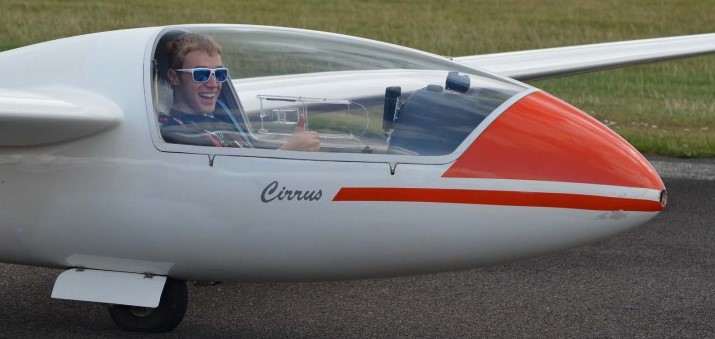

Junior Gliding is dedicated to promoting the sport of gliding for young people. If you are a Junior pilot, ie a pilot aged 25 or under, or a club official considering junior gliding matters, the information on this webpage will be helpful.
There is a full programme of both flying and non-flying events for young pilots across the country. These events are aimed at a variety of experience levels, and offer a great chance to socialize with fellow junior pilots.
For young people, gliding doesn’t need to be expensive. While almost all clubs offer discounts for young members, junior pilots also have lots of opportunities to fund their flying with a range of scholarships and bursaries.
If you are new to the juniors scene, there is a network of mentors who can help you get involved with the other pilots, events like the Junior Nationals / Winter Series and also be able to answer any questions you have about gliding. They’ve all got a fair bit of experience and will help push you to develop and become the next generation of glider pilot.
As well as being great fun, gliding is a serious sport (for some). The annual UK Junior Nationals attracts pilots from across the country while the British Junior Gliding Team competes all over the world – most recently bringing home three medals and a team victory at the European Championships in Lithuania – keep an eye on their progress via the Team GB pages.
If you want more information about how to progress your flying or if you want to let us know about what you are doing, please get in touch.
For parents/carers
A Junior Gliding Centre is a BGA club that has received accreditation recognizing that the club has policies, procedures and support systems in place to encourage pilots under 25. Click here to see the current JGCs.
For BGA child protection information, click here.
For clubs
For Junior Gliding resources and documentation and information on becoming a Junior Gliding Centre, click here.